Ariana Grande, Pete Davidson, and the Cost of Visibility: Inside Pop's Most Scrutinized Step Back
By SingArena Editorial · · Music News
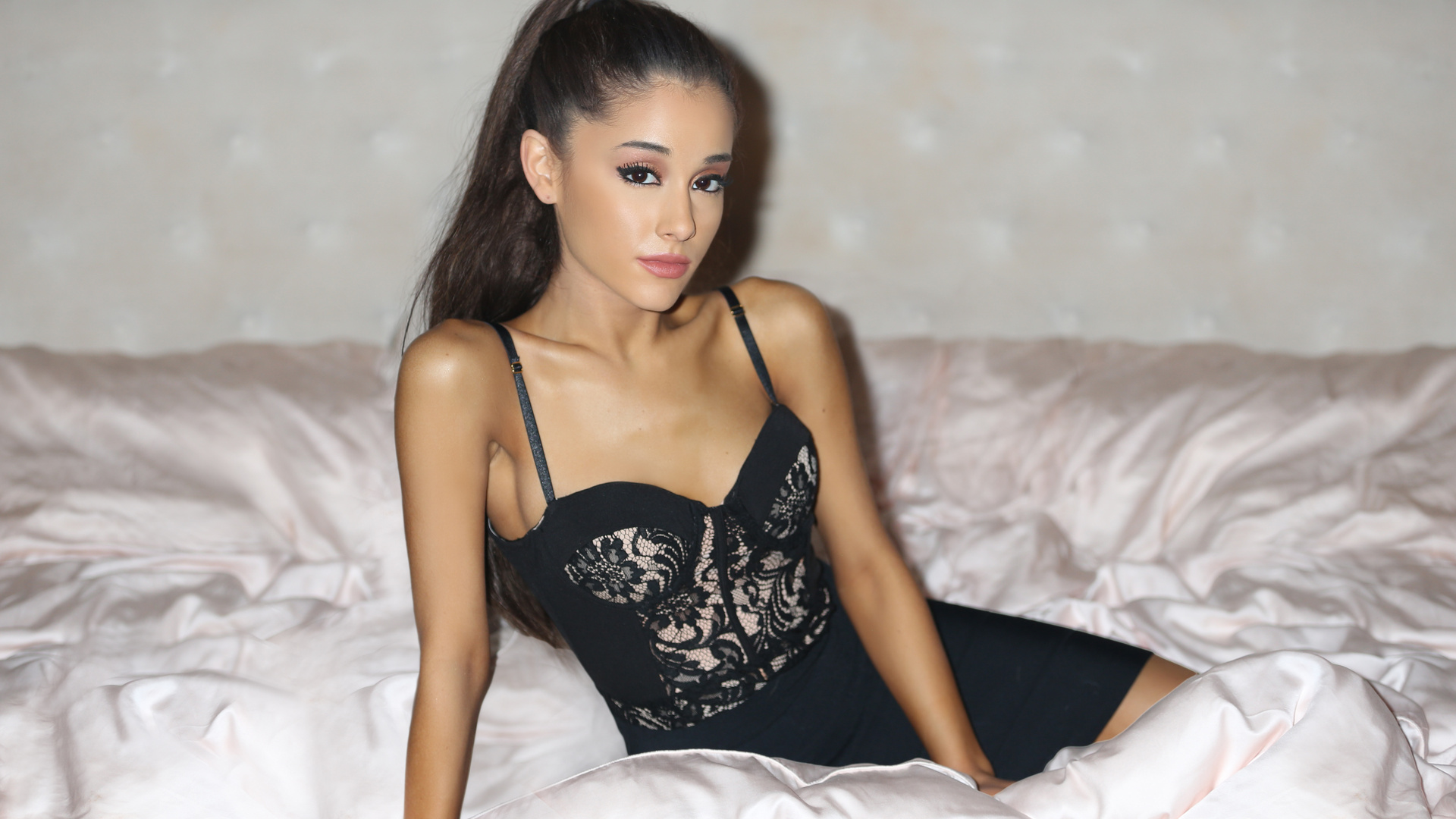
Source: fanart.tv (fanart.tv editorial)
Pete Davidson defends ex-fiancée Ariana Grande against body shaming as the singer steps back from public life following the Eternal Sunshine Tour — and pushes back on the narrative that bullying forced her hand.
There is a particular kind of noise that follows Ariana Grande. For more than a decade, the singer has lived under a microscope that tracks her voice, her relationships, her grief, and — increasingly — her body. In late July, that scrutiny sharpened again when images of Grande went viral, triggering a wave of speculation and, by many accounts, outright bullying about her physical appearance. This week, one of the people who knows that glare best spoke up.
Pete Davidson: "It's Not Cool"
Pete Davidson, who dated Grande for roughly five months in 2018 and briefly became her fiancé, addressed the harassment head-on in an interview with Variety. His response was characteristically blunt: he doesn't like it, he doesn't understand it, and he thinks it's wrong.
Davidson also offered a measure of respect for how Grande handles the pressure. He described her as a genuinely strong person — something he said he witnessed firsthand — and noted that she's been navigating this level of attention for years. As for where things stand between them now, he kept it simple and gracious: he called her cool, immensely talented, and an awesome person, adding that while they aren't in regular contact, there's no bad blood.
It's a rare moment of an ex-partner speaking plainly about the machinery of celebrity scrutiny — and it lands at a moment when Grande herself is recalibrating her relationship with the public eye.
The Step Back — and the Pushback
The renewed attention arrived in the wake of Petal, Grande's 2026 album, and the video for its title track. On August 2, her representative announced that she would "take a step back from visibility" following the conclusion of her Eternal Sunshine Tour, citing "endless, ongoing public scrutiny" as a factor. The statement also coincided with Grande withdrawing from the upcoming London West End revival of Sunday in the Park With George, a production that was ultimately scrapped after Jonathan Bailey also exited.
But Grande wasn't willing to let the narrative write itself. Speaking at a concert stop in Chicago on August 4, she pushed back on the idea that body shaming was the reason for her retreat. The break, she said, wasn't "reactive or impulsive" — she had planned it "a long time ago." It's a distinction that matters: this is a pause born of intention, not damage control.
A Career Built on Reinvention
Context helps explain why Grande's decisions carry so much weight. Since her debut album Yours Truly in 2013, she has moved through eras with unusual dexterity — the retro pop-R&B of her early work, the electronic gloss of My Everything and Dangerous Woman, the trap-inflected introspection of Sweetener and Thank U, Next, and the R&B-tinted Positions in 2020.
After that, she widened the frame again: dance on Eternal Sunshine in 2024, electronic textures on Petal in 2026. Along the way she has amassed seven Billboard 200 number-one albums and ten Billboard Hot 100 number-one singles, plus three Grammy Awards. In 2024 she returned to acting as Glinda in Wicked, earning an Academy Award nomination, and reprised the role in Wicked: For Good in 2025.
That's not the résumé of someone who steps away because she can't take the heat. It's the résumé of someone who has spent her career deciding when and how to be seen.
Why This Moment Resonates
The Grande conversation sits at the intersection of two stubborn realities in pop culture. The first is that female artists — particularly those who have been famous since their teens — are routinely subjected to body commentary that has nothing to do with their work. The second is that social media has made that commentary instantaneous, relentless, and impossible to opt out of.
What makes Grande's situation notable is how deliberate her response has been. She didn't disappear quietly. She announced the pause, absorbed the speculation, then corrected the record on her own terms, from a stage, in front of fans. It's the kind of boundary-setting that more artists have begun to treat as a professional necessity rather than a personal indulgence.
What Comes Next
- Grande's pause: Her step back from visibility remains in effect following the Eternal Sunshine Tour, which concluded September 1.
- The theater exit: Her withdrawal from the London West End revival of Sunday in the Park With George preceded the production's cancellation.
- Davidson's project: The actor is promoting How to Rob a Bank, David Leitch's heist film in which he plays a war veteran who robs banks to support his family — a role for which he gained 15 pounds of muscle. The film hits theaters November 13.
For a singer who has built a career on control — the four-octave precision, the era-defining aesthetics, the carefully orchestrated rollouts — stepping back may be the most self-determined move of all. And if the response from a former fiancé is any indication, the people who've been closest to that scrutiny understand something the comment sections never will: the woman at the center of it has been handling this for a very long time.
Tags: Ariana Grande, Pete Davidson, Body Shaming, Eternal Sunshine Tour, Music News, Pop Culture, GLOBAL